
As an Amazon Associate, we earn from qualifying purchases with no additional costs for you.
There’s something deeply satisfying about turning junk into a razor-sharp, functional tool. Knife making from recycled materials isn’t just budget-friendly, it’s a creative process that taps into the roots of traditional blacksmithing while giving new life to forgotten steel and salvaged scraps. Whether you’re forging your first blade or adding to your growing collection, using reclaimed materials adds a story to every knife you craft.
A knife can be made from recycled steel, wood, plastic, and other materials generally considered waste products. Careful selection of the materials, particularly the steel is key to building a knife that will be safe, functional and beautiful.
This guide walks you through the full process of making a knife from recycled steel and handle materials. We’ll show you where to find usable scrap, how to shape and heat treat it, and what tools you’ll need to make it happen — even on a modest setup. You’ll also get a step-by-step project to follow, plus tips on safety, sustainability, and staying ethical in your scrounging. Ready to turn scrap into sharp? Let’s get started.
Steel Sources: Files, Saws, Springs

If you want to make a knife from recycled materials, the first question is simple: where do you get decent steel? Not all scrap metal is knife-worthy. For a functional blade, you need high-carbon steel, the kind that hardens under heat treatment and holds a sharp edge.
Luckily, some of the best sources are hiding in your local junkyard, garage, or even your neighbor’s shed. Here’s what to look for:
Old Files: A Blade Maker’s Favorite
Used hand files are a goldmine for beginner knife makers. Most are made from high-carbon tool steel, often W1 or 1095, which can be hardened and tempered effectively. They’re also flat and thick enough to make anything from a small EDC blade to a full-on bushcraft knife.
How to prep:
- Grind off the teeth before forging or stock removal.
- Avoid files that are too rusted — deep pitting can weaken the blade.
- Test with a magnet and a file to confirm it’s not case-hardened (some cheaper files are).
Tip: The steel your knife is made from is a key aspect that determines durability, edge retention, ease of sharpening, and suitability of the knife for certain functions. View our article on knife steel types for a full guideline on knife steels.
Full List: Best Knife Steels For Different Knives
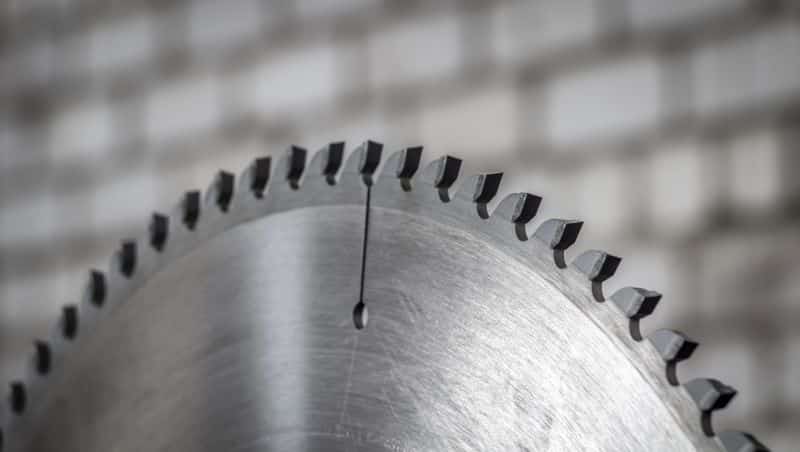
Circular Saws and Woodworking Blades
Old sawmill blades or circular saws are often made of L6 or other tough, hardenable steels. These are excellent for knives that need a mix of edge retention and toughness. Large sawmill blades, especially those from lumber yards, are especially good for larger blades or cleavers.
What to look for:
- Blades with no obvious warping or heavy corrosion.
- Industrial-grade steel, not cheap DIY store blades, which might be lower carbon or even stainless steel that won’t harden properly.
- Look for spark testing (a quick grinder test) to help determine the carbon content.
Leaf Springs and Coil Springs
Automotive springs — especially from older trucks — are some of the most popular steel sources for recycled blades. Most leaf and coil springs are made from 5160 spring steel, known for its toughness and ability to take a beating. This makes them ideal for big choppers, survival knives, and outdoor tools.
Prep notes:
- Anneal the spring steel before you begin working it, especially if you’re forging by hand.
- Cut off rusted or cracked portions.
- Flatten coil springs with heat and a press or hammer, it takes work, but it’s worth it.
A Word on Testing and Safety
Before you get started, remember: not all scrap steel is ideal. Some mystery steel might look promising, but won’t harden or hold an edge. Always perform a spark test, or if possible, refer to manufacturer markings or ask for advice from forums or community groups.
Handle Material Ideas from Reclaimed Wood and Plastic
Once you’ve got your blade sorted, it’s time to give your knife some grip, and character. Knife handles made from reclaimed materials don’t just save money, they tell a story. Whether you’re after a rustic look, a modern vibe, or something totally experimental, there are loads of scrap sources to explore.
Reclaimed Wood: Old, Beautiful, and Built to Last
Wood is a classic for a reason. It’s warm, strong, easy to shape, and if you know where to look, free.
Top sources for reclaimed wood:
- Old furniture: Look for hardwoods like oak, walnut, or mahogany in broken chairs, tables, or cabinets.
- Flooring offcuts: Hardwood flooring often comes with dense, stabilized planks perfect for scales.
- Barnwood or pallets: Use caution here. Some pallet woods are soft or treated with chemicals. Stick to hardwoods and sand or plane off weathered surfaces.
Tips for working with reclaimed wood:
- Let it acclimate in your workspace for a few days before cutting.
- Stabilize soft or porous wood with resin or oil so it doesn’t crack later.
- Use boiled linseed oil or tung oil for a classic finish.
Plastic and Synthetics: Strong, Stylish, and Recycled
Think beyond wood. Recycled plastic can be durable, waterproof, and visually striking, especially if you’re going for a modern look.
Recycled plastic handle ideas:
- Cutting boards: HDPE cutting boards are a great budget material. They are tough, colorful, and easy to work with.
- Old tool handles: Broken hammers, screwdrivers, or garden tools often have plastic grips that can be cut and reshaped.
- Melted plastic projects: If you’re feeling adventurous, you can melt and mold HDPE (milk jugs, detergent bottles) into your own handle blanks. Just do it safely and ventilate well.
Bonus: Recycled micarta-style handles can be made using layers of old jeans, canvas, or paper soaked in resin and pressed. It’s not 100% “plastic” but makes for a fun hybrid project.
For more information on melting HDPE safely, check out this DIY plastic recycling guide from Precious Plastic.
Whether your preference is rustic or futuristic, reclaimed materials let you create a knife that’s as unique as your process. And just like with steel, every handle starts with keeping your eyes open. That old cutting board or beat-up drawer might be your next masterpiece in disguise.
BTW: If you are interested in buying the best cutting board, you can find our recommendations below:
- The best overall: Virginia Kitchen Boys Cutting Board (Amazon link). This fantastic cutting board is made from sustainable walnut wood from the United States and brings almost perfect safety when cutting with your knives.
- Alternative: Yoshihiro Cutting Board (Amazon link). Professional traditional Japanese cutting board that chefs around the world use.
- Cheaper option: Shun Cultery Cutting Board (Amazon link). Another Japanese cutting board stands out, especially for its simplicity and affordable price.
Tools You’ll Need to Start

Making a knife from recycled materials doesn’t mean you need a full blacksmith’s forge or a $5,000 belt grinder. You can start small, smart, and scrappy. Here’s what you actually need to get from junk to finished blade.
Essentials for Every Recycled Knife Build
1. Angle Grinder
Your best friend for cutting, shaping, and beveling. It handles everything from cutting up leaf springs to removing rust and profiling your blade.
Pro tip: Use a flap disc or grinding wheel rated for steel, and always wear eye protection.
2. Bench Vise
You need something to hold your steel steady while you work on it. Even a cheap bench vise will save your knuckles and give you cleaner, safer cuts and grinds.
3. Files (the good kind)
Even if you’re grinding most of your shape, files are key for refining bevels, squaring off the tang, and dialing in details. Look for second-cut or mill files, not the ones you’re turning into knives.
4. Drill or Drill Press
For pin holes in the tang. A handheld drill works fine to start, but a drill press gives you more control and precision.
5. Sandpaper (Lots of It)
For shaping your handle, cleaning up the blade, and getting that final polish. Get a mix of grits: 80, 120, 220, 400, and up to 1000+ for finishing.
6. Epoxy & Clamps
To attach your handle scales to the tang. You can use two-part epoxy like J-B Weld (Amazon link) or specialized knife-making adhesives. Clamps hold everything tight while it sets.
7. Hacksaw or Metal Saw (Optional)
Useful for cutting tangs, trimming off excess handle material, or rough-shaping before grinding.
Budget Heat-Treating Tools (Detail in the Next Section)
If you’re planning to heat treat at home, you’ll also want:
- A propane torch or charcoal forge (brake drum or paint can forges work great)
- Magnet (to test for non-magnetic temp, around 1425°F – the ideal quenching temp for high-carbon steels)
- A safe quenching container filled with oil (canola works in a pinch)
- Oven or toaster oven for tempering
Want to build your own forge? This DIY mini forge tutorial from Instructables is a great starting point for budget backyard smiths.
Upgrade Path: Tools to Invest in Later
If you catch the knife-making bug (and you probably will), here are some tools worth saving up for:
- Belt grinder (2×72 or 1×30) – for precision bevels and fast stock removal
- Forge or heat-treating oven – for consistent results
- Bandsaw – for cleaner profile cuts
- Disc sander and buffer – for a pro finish
But remember, plenty of beautiful blades have been made with nothing more than an angle grinder, files, and a lot of elbow grease.
Step-by-Step: A Simple Recycled Knife Project
Let’s put all the theory into practice. This step-by-step project walks you through making a small utility knife from a recycled file and reclaimed hardwood handle, perfect for beginners or a weekend challenge.
What you’ll need:
- Old steel file (uncoated, not stainless)
- Scrap hardwood (from a furniture offcut or floorboard)
- Angle grinder, files, clamps, epoxy, sandpaper
- Heat source for hardening (propane torch or charcoal forge)
- Quench oil (canola works well)
Step 1: Anneal the File
Used files are hard, too hard to grind or drill easily. To soften it:
- Heat the file evenly to a dull red/orange color.
- Let it cool slowly (bury it in sand or ash overnight).
- Now it’s soft enough to shape and drill.
Step 2: Sketch and Cut Your Profile
Draw your knife shape directly onto the file using a marker. Keep it simple. A drop point or straight back works well.
Use your angle grinder to:
- Cut the basic shape
- Round off the spine
- Clean up the tang
Take your time here, a well-shaped blank makes everything else easier.
Step 3: Refine the Bevels
Use a flap disc or file to start shaping your bevel. Aim for even, shallow angles. You don’t want to go too thin yet, especially before heat treating.
Tip: Clamp a guide block (like a piece of wood at an angle) to keep your bevels consistent while grinding or filing.
Step 4: Drill Handle Pin Holes
Mark and drill holes through the tang for your pins or bolts. Use a drill press or clamp it down tight for handheld drilling.
Double-check the alignment by dry-fitting your handle material before moving on.
Step 5: Harden the Blade
- Heat the blade to a bright orange until it’s non-magnetic.
- Quench it quickly in warm canola oil.
- Clean it up with sandpaper to remove scale and check for warping.
Step 6: Temper the Blade
After hardening, the blade is brittle. Tempering reduces brittleness and improves toughness.
- Place the blade in an oven at 400°F (205°C) for 1 hour, then let it air cool.
- Repeat for a second cycle if possible.
Look for a light straw-colored tint; that’s your sign the steel is properly tempered.
Step 7: Fit and Shape the Handle
- Cut your reclaimed hardwood into two scales.
- Epoxy them onto the tang and clamp firmly.
- After curing (usually 24 hours), shape the handle with files or sanders.
Round off the edges, add finger grooves, and make it fit your grip. Finish with oil or wax for protection.
Step 8: Sharpen and Finish
With everything shaped, it’s time to bring the blade to life:
- Sand the blade with higher grits for a satin or polished finish.
- Use a whetstone, sharpening system, or strop to refine your edge.
- Add your maker’s mark or stamp, if you have one.
Congratulations! You have turned scrap into a fully functional, one-of-a-kind knife.
Heat Treating with Basic Equipment
Heat treating is where scrap steel becomes a true blade. It’s not just about hardening the metal — it’s about unlocking the steel’s full potential. Even with basic gear, you can get great results if you understand the core steps: hardening and tempering.
Let’s break it down, backyard style.
Hardening: Turning Soft Steel into Blade Steel
After shaping your knife and prepping your bevels, it’s time to harden the blade. This involves heating the steel until it reaches its critical temperature, then quenching it in oil.
Basic tools for hardening:
- Propane torch (works well for small blades)
- Charcoal forge (easy to build with a brake drum or paint can)
- Magnet (to test when the steel reaches non-magnetic phase)
- Quenching oil (canola is cheap and safe for beginners)
Steps:
- Heat the blade evenly — aim for a bright orange glow, just past magnetic.
- Test with a magnet — if it no longer sticks, you’ve hit the right temp.
- Quench quickly — plunge the blade straight into warm oil (not water), moving it gently to avoid bubbles and warping.
- Let it cool completely.
You’ve just hardened the steel — it’ll now be hard but brittle, like glass.
TIP: Incorrect heat treatment may be one of the reasons why you cannot sharpen your knife. Take a look at our article on why some knives can’t be sharpened to find out more!
Can Some Knives Not Be Sharpened?
Tempering: Bringing Back the Toughness
Hardening without tempering makes for a fragile blade. Tempering relieves stress and balances hardness with durability.
You’ll need:
- A regular kitchen oven or toaster oven
- A timer
- A steady 375–425°F (190–220°C) temperature range
Steps:
- Preheat your oven to 400°F or 200°C
- Place your blade on a baking tray or wrapped in foil.
- Bake for one hour, then let it air cool.
- Optional: Do a second tempering cycle for better toughness.
Your blade should now show a golden straw or bronze tint; a good sign of proper tempering.
DIY Heat Treating Do’s and Don’ts
| Do | Don’t |
| Normalize the blade before hardening, especially for leaf springs orunknown steels | Quench in water unless you’re using water-hardening steel (like W1), it increases the chance of cracking |
| Preheat your quenching oil to around 120°F (49°C) to reduce shock and the risk of cracking | Overheat your blade — avoid bright yellow or white temperatures this can ruin the grain structure |
| Work in a well-ventilated space to avoid inhaling oil fumes | Skip safety gear — always wear gloves and eye protection |
| Use a magnet to check for critical temperature (non-magnetic = ready) | Assume all scrap steel will harden properly — test or research when possible |
With a little practice and patience, you can master the art of heat treating right in your garage or backyard. No fancy kilns, no industrial equipment, just you, some fire, and a scrap blade waiting to be born.
Safety, Ethics, and Environment Impact

Knife making is hands-on, creative, and often a little messy, but it shouldn’t be reckless. Working with scrap means you’re dealing with unknowns: unpredictable materials, dirty surfaces, and heat-intensive tools. Doing it safely and ethically ensures your hobby stays sustainable for you, and for the planet.
Safety First (Always)
Knives aren’t the only sharp things in your workshop. Angle grinders, propane torches, files, and hot oil all pose serious risks if used carelessly.
Basic safety must-haves:
- Eye protection: Grinding sparks and steel dust are no joke.
- Gloves: Use cut-resistant gloves for shaping and heat gloves for forging.
- Ventilation: Always work in a space with airflow, especially when heat treating or using epoxy.
- Fire extinguisher: Keep one nearby. Forging and quenching near flammable materials can go sideways fast.
If you’re new to grinding or torch work, practice on scrap and watch how others do it. Many injuries come from rushing. Take your time, and know your tools before you push them.
Scavenging Ethically
One of the best parts of using recycled materials is the treasure hunt, but make sure your foraging doesn’t cross any lines.
Ethical sourcing tips:
- Ask before taking: That old leaf spring in someone’s yard might still be attached to a working truck.
- Avoid private dumps or fences: Trespassing laws still apply, even if it’s just “junk.”
- Support local junkyards or scrapyards: Many sell steel at low prices and are happy to help you ID good blade stock.
- Know what you’re getting: Some steel (like mystery car parts) may not be ideal or safe for blades. If in doubt, skip it or test it first.
Greener Knife Making
Recycling steel and wood is already a step in the right direction, but there’s more you can do to keep your craft sustainable.
- Reuse and repurpose offcuts: Save trimmings for future projects, even a small leftover can become a kiridashi or carving knife.
- Minimize waste: Plan your cuts to get the most out of your material.
- Use eco-friendly finishes: Linseed oil, tung oil, and natural waxes are safer alternatives to chemical sealers.
- Recycle your shop scraps: Steel shavings and old belts can often be recycled, check your local center.
By giving new life to discarded materials, you’re not just making knives, you’re making a statement. One that values craftsmanship over consumerism and creativity over consumption.
Conclusion
Turning discarded steel and salvaged scraps into a sharp, functional knife is more than just a project. It’s a practice in resourcefulness, creativity, and respect for craftsmanship. Whether you’re reworking an old file, reshaping a leaf spring, or breathing new life into pallet wood, you’re not just making a tool, you’re telling a story with every cut, grind, and spark.
Knife making with recycled materials proves you don’t need expensive gear or perfect stock to create something powerful. With a few core tools, some patience, and a keen eye for salvage, your next favorite blade might already be sitting in your garage, or rusting away in someone else’s.