
As an Amazon Associate, we earn from qualifying purchases with no additional costs for you.
Keeping your knife sharp is just the beginning. Sure, most people know about sharpening stones and a quick hone before slicing into a steak or whittling a stick, but there’s a whole world of maintenance methods that go way beyond the basics.
Knife maintenance is a key aspect of knife ownership, and while there are standard methods available that everyone employs, it is worth trying something new that may work better for your situation.
We’re talking about tricks even seasoned knife owners might not have considered: stropping with different materials, using nano-tech to fight corrosion, blending your own blade oils, and packing smart for maintenance on the move.
This guide explores some of the lesser-known but highly effective knife maintenance routines. Whether you’re trying to extend the life of your EDC or keep your outdoor blade in peak condition, these advanced techniques are worth a try.
Beyond Sharpening: Stropping, De-Rusting, Acid Baths

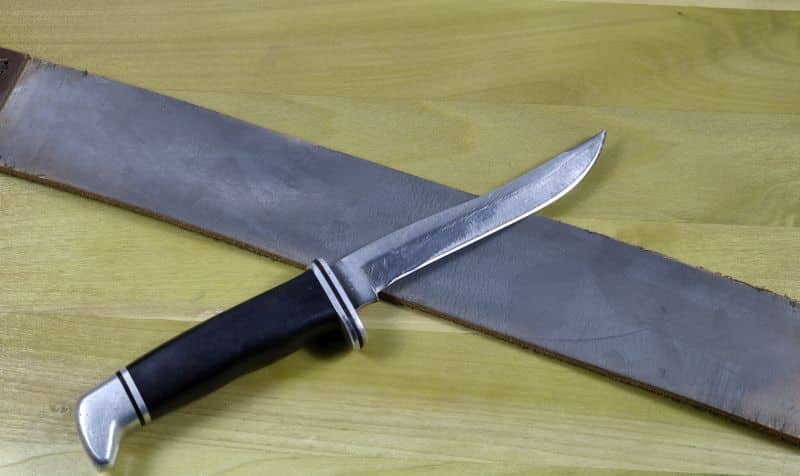
Sharpening might restore your knife’s edge, but if that’s where your maintenance routine ends, you’re leaving performance on the table. Stropping, de-rusting, and even acid bathing are lesser-known but game-changing practices that extend your knife’s lifespan and cutting power.
Stropping: The Finishing Touch
Stropping isn’t just for barbers and straight razors, it’s one of the most overlooked ways to refine and maintain a shaving-sharp edge. After sharpening, a few strokes on a leather or canvas strop can polish the apex and align microscopic burrs that even the finest whetstones leave behind.
If you’re stropping correctly, you’ll notice a cleaner, smoother cut, especially on push cuts through paper or soft materials. For best results, load your strop with a polishing compound like green chromium oxide or diamond paste. This fine grit helps polish the edge to a mirror finish, reducing friction and improving edge retention.
Not sure how it works? We discussed exactly what stropping does in our article “Simple Explanation: What Does Stropping A Knife Do Exactly?” which includes a detailed look into stropping and why you should include it in your knife maintenance routine.
De-Rusting: Reviving a Neglected Blade
Rust happens, especially to high-carbon steel blades that aren’t wiped down or stored dry. If you’ve found an old beater in the toolbox or a vintage carbon steel knife at a flea market, don’t write it off. Surface rust can be removed without grinding away metal.
One easy method is to soak the blade in a vinegar bath for 30–60 minutes. The acetic acid in white vinegar reacts with the rust (iron oxide) and softens it. After soaking, scrub the blade with fine steel wool or a brass brush. You can also use baking soda paste afterwards to neutralize the acid.
Prefer something a little more modern? Try rust erasers or chemical rust removers like Evapo-Rust or WD-40 Specialist Rust Remover Soak (Amazon links). Both are excellent for controlled rust removal without damaging the blade geometry.
TIP: If you are interested in buying a Japanese knife, we recommend these knives (Amazon links):
- Santoku: Yoshihiro NSW Hammered Damascus Santoku
- Gyuto: Yoshihiro VG-10 Hammered Damascus Gyuto
- Nakiri: Yoshihiro Hammered Damascus Nakiri
Acid Baths: Not Just for Looks
Acid baths aren’t just a cool way to force a patina—they’re a legit way to protect a blade and highlight forge finishes. When done right, an acid bath can give your high-carbon steel blade a darker, more corrosion-resistant surface. It works by creating a controlled oxidation layer, similar to blueing a gun barrel.
Here’s a basic method:
- Degrease the blade thoroughly using isopropyl alcohol.
- Submerge it in a mixture of white vinegar or Ferric Chloride for 5–15 minutes.
- Rinse, then neutralize in a baking soda bath.
- Dry and apply a light oil (like camellia or mineral oil) to protect the new surface.
Note: Always wear gloves and eye protection when using strong acids. And don’t acid-etch stainless knives, it won’t do much, and you’ll risk pitting.
For an in-depth walkthrough and safety tips, we recommend reading this acid etching guide from BladeHQ.
Tip: If you are moving, you need to pack your knives correctly to ensure they are safe from damage and to prevent your knives from infusing someone during transit. Find out the best ways to pack you knives for moving here:
Packing Kitchen Knives For Moving (7 Proven & Safe TIPS)
Using Nano-Coatings For Corrosion Resistance
You’ve probably heard of blade coatings like Cerakote or DLC, but nano-coatings take corrosion resistance to a whole new level, especially if you’re using high-carbon steel or living in a humid climate. These coatings work on a microscopic level, forming an invisible barrier that repels moisture, salt, and grime.
What Exactly Are Nano-Coatings?
Nano-coatings are ultra-thin polymer or ceramic layers measured in nanometers (that’s a thousandth of a micron). Unlike traditional coatings that sit on the surface, nano-coatings bond chemically with the metal, creating a durable hydrophobic and oleophobic shield. Translation? Water, oil, blood, and even fingerprints have a harder time sticking to your blade.
The beauty is that these coatings don’t add bulk, alter blade geometry, or affect the finish. You still get that raw, forged look, just with way less rust and grime.
Easy At-Home Options
You don’t need a lab to apply this tech. There are consumer-grade options that knife enthusiasts swear by (Amazon links):
- ProtectaClear – A clear, thin coating that works on steel, copper, and alloys. It’s popular with collectors looking to keep patinas clean without sealing in rust.
- CorrosionX Aviation – Originally developed for aerospace and marine gear, it’s now a favorite for knives stored in humid environments.
- WD-40 Specialist Silicone – While not a true nano-coating, it does leave behind a thin, protective film that repels moisture effectively in EDC use.
Some EDC knife owners even use automotive ceramic coatings (yes, like the ones used on car paint) to protect their blades. They’re slick, hydrophobic, and surprisingly long-lasting.
When and How to Apply
Nano-coatings work best on clean, degreased surfaces. Before application:
- Wash the blade with dish soap and hot water to remove oils.
- Wipe with isopropyl alcohol.
- Apply the coating according to manufacturer instructions (usually wipe on, let cure, buff off).
You’ll want to reapply every few months if you’re using your knife regularly outdoors or in wet conditions. For a detailed breakdown of different protective treatments and how they hold up over time, check out this review of blade finishes from Knife Informer.
Looking for a more traditional, no-tech option? You’ll want to check out our complete guide to oiling your knife for practical, low-cost alternatives to high-tech coatings.
Tip: Cleaning and sanitizing your kinves is a key part of knife care. Know how and when to perform these maintenance tasks is key to keeping your knives work-ready.
Knife Care: When & How To Clean & Sanitize Your Knives
Leather Vs Canvas Strop: Which Refines Edge Better?
Stropping is that final, satisfying step in knife maintenance that transforms a sharp edge into a scary sharp edge. But the debate still rages: is leather really better than canvas, or is that just tradition talking?
Let’s break it down.
Leather Strops: Classic, Controlled, Polished
Leather has long been the gold standard for stropping, and for good reason. It’s dense, smooth, and offers just the right amount of “give” under the edge. This slight cushion allows the apex of the blade to ride and realign while fine abrasives polish the edge to a mirror finish.
Best for:
- Razor-sharp finishing
- Honing straight-edged blades (like chef’s knives or razors)
- Polishing with compounds (chromium oxide, diamond paste)
Leather strops loaded with compound are ideal for maintaining an edge between full sharpenings. If you want that reflective bevel and ultra-fine edge, leather’s your best friend.
Pro tip: Use vegetable-tanned leather, it holds compound better and won’t degrade over time like chrome-tanned varieties.
Canvas Strops: Gritty, Grabby, and Great for Touch-Ups
Canvas strops, especially those made from denim, linen, or rough cotton, offer more bite. They’re slightly more abrasive even without compound, which makes them excellent for quick edge touch-ups and removing tiny burrs after sharpening.
Best for:
- Fast stropping between cuts
- Removing micro-debris and oxidation
- Outdoor use where leather might get damaged
Canvas is also easier to clean and a lot more durable if you’re on the move. If your knife sees hard use in the field, having a rougher canvas strop in your bag can be a practical choice.
Some people even use both: canvas for the first few strokes post-sharpening to knock off burrs, then leather to polish it out. That dual-stage strop routine is a secret weapon for keeping EDC blades razor-sharp with minimal wear.
So… Which One Wins?
If you’re after the finest edge possible, especially for culinary or detail work, leather strops are unbeatable. But if you want a low-maintenance, tougher option for frequent use or fieldwork, canvas may be your better choice.
Of course, the real magic happens when you pair the right strop with the right compound. And speaking of edge upkeep, don’t overlook the importance of when (and how) you oil your knife after stropping. We’ll get to that next.
Tip: Knife storage is a key element of proper knife care. Find out your best options for storing your knives in a drawer in our article on the topic.
Storing Knives in a Drawer: 7 Ideas How to Do It Properly
DIY Oil Blends And When To Apply Them

Oil isn’t just a finishing touch, it’s your blade’s best defense against rust, grime, and corrosion. But you don’t have to rely on expensive commercial oils to keep your knife protected. With the right ingredients, you can make your own high-performance oil blends at home, tailored to how and where you use your knife.
Why Oil Matters (and When to Use It)
Whether you’re working with high-carbon or stainless steel, microscopic oxidation starts the moment moisture hits metal. A proper oil coat:
- Creates a moisture barrier
- Reduces friction
- Prevents food acids or salt from corroding the blade
- Keeps pivot points and folding knives running smooth
When to apply:
- After cleaning or sharpening
- After exposure to water, food, blood, or sweat
- Before storing long-term
- Monthly, even if unused (especially for carbon blades)
Build-Your-Own Knife Oil Blends
Here are a few proven DIY oil formulas that won’t gunk up your gear or mess with food safety (if you’re using your blade on edibles):
1. The Classic Blend (Food-Safe):
- 3 parts mineral oil (lubricates and seals)
- 1 part beeswax (adds staying power)
Gently warm the beeswax and blend with mineral oil. Once it cools, you’ve got a soft paste that works like a balm, great for carbon steel and wood handles too.
2. The Outdoor Blend:
- 2 parts camellia oil
- 1 part clove oil
Clove adds mild antimicrobial properties and a slick finish. This blend works well in humid or coastal environments.
3. The No-BS Field Blend:
- 100% vegetable glycerin
It may sound weird, but glycerin creates a hydrophobic film that’s surprisingly rust-resistant and safe for EDC use. Just don’t overdo it, as it can get sticky if applied too thick.
How to Apply for Best Results
Always apply oil to a clean, dry blade. Use a soft microfiber cloth or your fingers to rub in a light, even coat. You’re aiming for a thin film, not a greasy mess.
For folding knives, apply a drop to the pivot and wipe off excess. For fixed blades, make sure to get around the spine and handle junction. After stropping, a fresh coat of oil also helps lock in that edge and keep oxidation at bay.
And don’t forget your maintenance gear. If you’re traveling or using your knife outdoors, pack a small dropper bottle with your DIY oil blend in your on-the-go kit (which we’ll discuss next).
Tip: Wooden knife handles are often overlooked in terms of knife maintenance. Read our informative guide on how to take care of your wooden knife handles and extend their durability.
Complete Guide: How To Care For Wooden Knife Handles
Travel Kits And Safe Maintenance On-The-Go

Whether you’re heading into the woods, hitting a job site, or just traveling with your favorite EDC, having a compact knife maintenance kit can save your edge—and your day. Blades take a beating in the field, and a travel-friendly setup means you’re always ready to clean, oil, strop, or fix up your knife wherever you are.
Essentials for Your On-the-Go Kit
Your portable maintenance kit doesn’t have to be fancy, it just needs to be functional. Here’s what seasoned knife owners typically pack:
- Compact strop – A leather or canvas strip glued to a wooden paddle or even paint stick. You can go dual-surface for extra versatility.
- Mini bottle of oil – Fill a small dropper or needle oiler with your favorite DIY blend or food-safe mineral oil.
- Microfiber cloth or shop rag – For wiping down blades, applying oil, and removing gunk.
- Rust eraser or fine steel wool – To knock off any surface rust or corrosion.
- Folding sharpening tool – Something like a Work Sharp Field Sharpener or Lansky BladeMedic gives you diamond plates, ceramic rods, and a strop, all in one (Amazon links).
- Cotton swabs or toothpicks – Perfect for cleaning pivot points, especially on folders.
You can store the whole setup in a repurposed pencil case, small MOLLE pouch, or Altoids tin if you’re going ultralight.
Safety Tips While Maintaining in the Field
Maintaining a knife outside the workshop can get sketchy fast, especially with no stable surfaces around. Keep things safe with these tips:
- Always strop and sharpen away from your body.
- Rest the blade on a knee pad, tree stump, or flat rock if needed.
- Avoid multitasking. Don’t oil your blade near an open fire or food prep area.
- Wipe off any oil or compound thoroughly if you’re going to use the blade for cooking or game processing.
Pro Tip: Pre-Oil Before You Go
If you know you’ll be around water, salt, or humidity, pre-treat your blade with a corrosion-resistant coating or oil before you even step out the door. It’s one of those small steps that pays off big, especially if your knife sees real action out there.
Conclusion
Knife maintenance doesn’t have to stop at sharpening, and honestly, it shouldn’t. The routines we’ve covered here, stropping, de-rusting, acid bathing, nano-coating, DIY oiling, and travel prep, are the kind of next-level care that separates a good blade from a great one.
Some of these techniques take five minutes, others a bit more effort, but all of them pay off in performance, durability, and peace of mind. Whether you’re prepping your favorite chef’s knife or maintaining a go-to survival blade, mixing in a few of these lesser-known practices will keep your edge cleaner, sharper, and better protected.