
As an Amazon Associate, we earn from qualifying purchases with no additional costs for you.
We’ve all been there. Fresh from the box, your new knife slices through tomatoes like they’re air. Fast forward a few weeks, and suddenly it’s struggling with onions. What gives?
Edge retention is the ability of a knife to hold a sharp edge on the blade for a long period of time, even when the knife is used for its intended purpose. Various aspects such as type of steel, grind on the edge, and usage can affect edge retention.
Edge retention is one of the most misunderstood (and most hyped) aspects of a knife’s performance. It’s the difference between a tool you can rely on and one that spends more time with your sharpening stone than in your hand. But edge retention isn’t just about the steel; it’s about science, use, and maintenance.
In this article, we’re breaking down what really keeps a knife sharp, separating the marketing myths from the metallurgy. Whether you’re a chef, an EDC enthusiast, or a backyard bushcrafter, understanding edge retention can help you choose the right blade, and keep it cutting like new.
What Is Edge Retention and Why It Matters

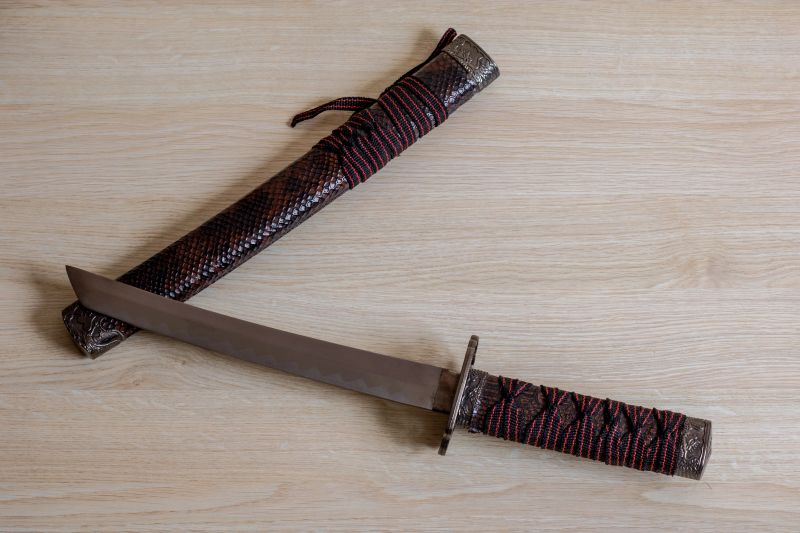
Edge retention is the knife world’s version of staying power. Technically, it refers to how long a blade can hold its sharpness during use before it needs resharpening. But it’s not just about how “sharp” a knife feels after a few cuts. It’s about how well that edge resists wear, deformation, and micro-chipping over time.
Think of edge retention as the real-world performance metric that tells you whether your knife can handle long prep sessions in the kitchen, dirty jobs in the field, or daily carry abuse without quickly becoming a butter knife.
Why does it matter? Simple: less sharpening, more cutting. A knife with good edge retention stays ready when you need it, saves you time on maintenance, and performs more consistently between sharpenings. For outdoor knives and EDC tools especially, this isn’t just convenience, it’s critical.
But, and this is where many people get it wrong, edge retention doesn’t exist in a vacuum. It’s part of a larger balance between hardness, toughness, corrosion resistance, and ease of sharpening. The better you understand how these properties interact, the better you can choose a blade that fits your actual needs.
Factors That Affect Sharpness Longevity
Edge retention isn’t magic—it’s materials science, geometry, and user habits all rolled into one. While knife marketing often shouts about super steels and fancy coatings, real-world sharpness longevity depends on several core factors working together (or against each other). Let’s break them down.
1. Blade Steel Composition
The heart of any knife’s edge retention lies in its steel. Some elements in a steel alloy directly impact how well the edge wears over time:
- Carbon increases hardness and wear resistance—but too much can make the blade brittle.
- Vanadium contributes to the formation of very hard carbides, boosting abrasion resistance.
- Chromium helps with corrosion resistance but also plays a role in edge durability.
- Tungsten, Molybdenum, and Nitrogen can further enhance edge-holding properties, depending on how the steel is heat treated.
For example, steels like CPM-S90V and Maxamet are edge retention monsters thanks to their high vanadium content, but they’re also tougher to sharpen and can be more brittle.
TIP: If you are interested in buying a Japanese knife, we recommend these knives (Amazon links):
- Santoku: Yoshihiro NSW Hammered Damascus Santoku
- Gyuto: Yoshihiro VG-10 Hammered Damascus Gyuto
- Nakiri: Yoshihiro Hammered Damascus Nakiri
2. Heat Treatment Quality
Even the best steel can perform poorly if the heat treat is off. Heat treatment determines the hardness, toughness, and carbide structure of a blade—all of which affect edge retention.
A well-executed heat treat ensures the blade reaches its optimal hardness range (often measured on the Rockwell scale, HRC) without sacrificing too much toughness. For instance, a Spyderco PM2 (Amazon link) in S45VN with a great heat treat will significantly outperform the same steel from a budget brand with a sloppy process.
3. Edge Geometry and Grind
A blade’s grind and edge angle play a massive role in sharpness longevity. Here’s why:
- Thinner edges slice better but may dull faster or chip under stress.
- Convex or Scandi grinds offer more material behind the edge, increasing durability.
- Acute angles (like 15° per side) feel razor-sharp but wear faster than wider angles (like 20°–25°).
Some high-performance steels, like Elmax or Cru-Wear, allow for thinner edges without rapid degradation, making them ideal for users who want slicing power and long life.
4. Cutting Task and Frequency
You could have the toughest edge in the world, but if you’re using it to cut through sand-filled rope or dirty cardboard, it’s going to dull—fast. What you cut, how often, and how you cut all influence wear.
- Soft materials like food or clean packaging have minimal impact.
- Abrasive materials (like carpet, wood, or zip ties) rapidly wear the edge.
- Twisting or prying motions can deform or chip even high-end steels.
That’s why it’s important to match the steel and grind to your typical use. A kitchen knife used on a wood cutting board will hold its edge differently than a utility knife in a dusty work truck.
5. Sharpening Habits and Tools
Ironically, sharpening can either preserve or destroy your edge retention. Using the wrong angle, too coarse a grit, or inconsistent strokes can degrade your edge prematurely.
Proper technique, especially with systems like the Wicked Edge or Edge Pro Apex, can optimize the apex and make the edge last longer between touch-ups. Honing with a ceramic rod or leather strop can also help maintain the edge without removing material.
TIP: The tools you use to sharpen you knives can influence the final edge retention on your blade. Check out our top 3 recommended knife sharpening tools.
3 Must-Have Tools To Sharpen Your Knife Properly.
Steel Chemistry vs. Heat Treat vs. Use Case

Regarding edge retention, steel chemistry, heat treatment, and your actual use case form the trifecta that determines how a knife performs over time. One without the other is like having a sports car with no gas. It may look great on paper, but it’s not going anywhere.
Let’s unpack how these three interact, and more importantly, how they should influence your knife-buying decisions.
The Chemistry: What’s in the Steel
Steel chemistry sets the ceiling for edge retention. High-end steels like S110V, K390, and Maxamet are packed with hard carbides—tiny particles that resist wear and give your edge staying power. But the trade-off? Many of these steels are difficult to sharpen and may be more brittle in real-world use.
On the other end of the spectrum, simpler steels like 1095 or AUS-8 might dull faster, but they’re super easy to touch up and tend to be tougher (resisting chips and rolls).
Bottom line: chemistry gives you potential, but doesn’t guarantee performance.
The Heat Treat: Bringing the Steel to Life
Heat treatment is where things get serious. You could take two knives with the same steel, but if one is heat treated poorly, it’ll dull quickly, chip, or fail to hold an edge under pressure.
Heat treatment involves:
- Hardening (typically to a specific Rockwell hardness, like HRC 60–65)
- Tempering (to reduce brittleness)
- Sometimes cryo-treating (for carbide refinement)
Some companies, like Benchmade, Spyderco, and Bark River, are known for dialing in exceptional heat treats that push their steels to peak performance. But others, not so much.
The Use Case: Matching Steel to Reality
Are you prepping veggies on a wooden board, or breaking down dirty shipping pallets? Do you need a slicer, or a beater? This is where use case comes in.
Choosing a high-vanadium steel like S90V for opening Amazon boxes might sound fancy, but in reality, a mid-range stainless like 14C28N or VG-10 may perform better and be easier to maintain.
The goal is to match the steel’s strengths to what you actually do. Here’s a quick reference table:
| Steel | Edge Retention | Sharpening Ease | Toughness | Best Use Case |
| S110V | ★★★★★ | ★☆☆☆☆ | ★★☆☆☆ | Long cutting tasks with minimal abuse |
| CPM 20CV | ★★★★☆ | ★★☆☆☆ | ★★★☆☆ | EDC, food prep, general slicing |
| Elmax | ★★★★☆ | ★★☆☆☆ | ★★★★☆ | All-rounder for outdoor and kitchen use |
| 1095 | ★★☆☆☆ | ★★★★★ | ★★★★☆ | Bushcraft, hard-use outdoors |
| VG-10 | ★★☆☆☆ | ★★★★☆ | ★★★☆☆ | Kitchen knives, light EDC |
| Maxamet | ★★★★★ | ★☆☆☆☆ | ★☆☆☆☆ | Dedicated slicer for low-impact tasks |
The Real Takeaway
You can’t judge a blade by steel type alone. A well heat-treated D2 might outperform a poorly treated S35VN. And your buddy’s favorite supersteel might drive you nuts if you don’t like sharpening or babying your blade.
So before buying your next knife, ask yourself:
- What will I actually use this for?
- Do I want to sharpen often, or prefer long intervals?
- Am I okay with potential chipping in exchange for edge life?
Get those answers right, and your edge will thank you.
Misconceptions About “Never Sharpen Again” Blades

Let’s clear something up: there is no such thing as a knife that never needs sharpening. That phrase might sound good on packaging, but it’s pure marketing fluff. All blades, regardless of steel or coating, will eventually dull with use, it’s just physics.
Still, this myth persists. Let’s break down where the confusion comes from, and what you should actually expect from so-called “forever edges.”
The Coated Blade Myth
Some brands use ceramic or titanium nitride coatings and advertise these as permanent solutions to edge wear. The reality? Coatings can help with corrosion resistance and slightly reduce friction, but they don’t protect the cutting edge itself. That edge still wears down, deforms, or microchips just like any other steel.
Once the edge dulls, you’ll need to sharpen through the coating anyway, which defeats the whole point.
Super Steels ≠ Supernatural
Yes, steels like S90V, K390, and Maxamet can go impressively long between sharpenings. But they still dull—just more slowly. And when they do, sharpening can be a chore unless you’ve got diamond stones and some patience.
These steels are awesome for people who cut a lot and don’t want to touch up their edge every weekend, but they’re not immune to wear. Think of it as delayed maintenance, not no maintenance.
“Self-Sharpening” Gimmicks
You’ve probably seen those kitchen knife sets that claim to “self-sharpen” every time you pull the knife from the block. While some of these systems use built-in ceramic hones that do realign the edge slightly, they’re not actually sharpening in the traditional sense. Over time, the blade still wears down, and those systems don’t restore lost metal, they just mask dulling for a while.
In fact, they can even degrade the blade faster by creating uneven bevels or grinding away too much steel in one area.
What Edge Retention Really Means
Edge retention isn’t about never sharpening. It’s about sharpening less often while maintaining cutting performance over time. That’s a huge win, especially for field knives, EDC blades, or pro kitchen users. But it still requires proper maintenance and realistic expectations.
So next time you hear “never needs sharpening,” take it with a grain of salt, and maybe a ceramic rod.
How to Test and Compare Edge Retention at Home

You don’t need a metallurgy lab or a microscope to compare edge retention—just a little time, consistency, and the right materials. Whether you’re curious how your new S35VN stacks up against your old faithful in 1095, or you’re testing knives for your next big carry rotation, here’s how to do it yourself.
1. Use the Same Cutting Task, Over and Over
The simplest way to measure edge retention is by repetition. Choose a controlled task, something moderately abrasive, but realistic, and repeat it until you notice a clear drop in sharpness. Some tried-and-true options:
- Corrugated cardboard: Easy to source and naturally abrasive. Just make sure it’s clean and consistent.
- Manila rope: Popular in knife testing circles. Cut the same length over and over until the edge noticeably struggles.
- Zip ties or thick rubber hose: Good for testing micro-chipping and edge rolling, especially with harder steels.
Pro tip: Count your cuts. You don’t need lab-grade precision, but if one blade slices through 150 sections of rope before dulling and another taps out at 80, that’s real data.
2. Paper Test or Tomato Test
Once you’ve done the cutting, check the edge. Try these two quick, low-tech tests:
- Paper test: Slice cleanly through printer paper. A sharp edge will glide through without snagging or tearing.
- Tomato test: Drag the blade gently across a tomato skin. A good edge will bite immediately without pressure. If it slides or needs sawing? You’ve lost your bite.
You can even log how the edge performed before and after your controlled cutting task to compare different steels or edge grinds.
3. Use a Permanent Marker to Track Edge Wear
Before you begin cutting, color the edge with a permanent marker. As you use the knife and then hone or strop it, you’ll be able to visually track where the edge is losing material or developing flat spots.
This is especially helpful when comparing different blade geometries. A blade that loses its apex quickly or unevenly may have a weaker edge profile, even if the steel is top-tier.
4. Strop and Retest (Optional)
After dulling your edge, try touching it up with a strop or ceramic rod. Blades with excellent edge retention often respond well to stropping and regain sharpness quickly. Others, especially those with rolling or micro-chipping, may need a full resharpen.
This gives you insight not just into how long the edge lasts, but how easy it is to maintain.
5. Take Notes Over Time
If you’re comparing multiple blades (and let’s face it, you probably are), track the results in a simple spreadsheet or notebook. Include:
- Steel type and maker
- Number of cuts before noticeable dulling
- How well it stropped back
- Any chipping or rolling
You’d be surprised how quickly patterns emerge. For example, you might find that your 14C28N kitchen knife dulls sooner but is always razor-sharp after 10 strokes on a strop—while your S90V folder keeps its edge for weeks but takes forever to sharpen once it dulls.
Maintenance to Maximize Life

Even the best edge retention won’t save you if you treat your knife like a crowbar. Proper maintenance isn’t just about sharpening. It includes protecting that finely honed edge before it ever gets dull. A little care goes a long way in keeping your knife sharp, safe, and high-performing.
1. Hone Before You Think You Need To
Many people wait until their knife is dragging through food or cardboard before reaching for a sharpener. But if you touch up your edge regularly with a ceramic rod or leather strop, you’ll delay full sharpening sessions and preserve more metal.
This is especially important for harder steels like M390 or S35VN, which respond well to stropping and can go months between full regrinds if maintained properly.
Quick habit: after every few uses, give your edge 5–10 light passes on a strop. You’ll be amazed how long it stays hair-popping sharp.
2. Use the Right Cutting Surface
Hard surfaces like glass, granite, or even ceramic plates will kill your edge in no time. Stick with soft wood, end grain cutting boards, or plastic boards for kitchen use.
If you’re using your knife outside, avoid cutting directly into the ground or dirty wood. Sand, grit, and fine particles are silent edge destroyers.
3. Clean and Dry After Use
Especially for high-carbon or tool steels (like 1095, A2, or D2), cleaning and drying your blade after use can prevent rust and pitting. Even “stainless” steels aren’t immune. Corrosion weakens the edge and increases micro-chipping risk.
Pro tip: a light coat of mineral oil or food-safe wax can add an extra layer of protection if your knife is going into storage or humid conditions.
4. Store It Right
Tossing your blade in a drawer with loose tools or coins is a fast track to a rolled or chipped edge. Use blade guards, edge sleeves, or a proper knife roll.
If you’re carrying your knife daily, keep it clipped in a secure position to avoid contact with grit or keys.
5. Sharpen with Purpose, Not Pressure
When sharpening is finally needed, go slow and consistent. Excessive pressure can overheat the edge, destroy temper, or create uneven bevels. Use sharpening stones or systems suited to your blade’s hardness—diamond for super steels, ceramic or waterstones for softer ones.
Check out our table of recommended sharpening stones if you are unsure where to start.
| Usage | Grit Type | Best Option |
|---|---|---|
| Fixing stone | 320 grit | Shapton Kuromaku 320 |
| Establishing the Edge | 400 grit | Naniwa Chosera 400 |
| Sharpening Stone | 600 grit | Naniwa Chosera 600 |
| Sharpening Stone | 800 grit | Naniwa Chosera 800 |
| Finishing Stone | 1000 grit | Suehiro CERAX |
| Polishing Stone | 2000 grit | Shapton Kuromaku 2000 |
| Polishing Stone | 5000 grit | Shapton Kuromaku 5000 |
| Extra Polishing Stone | 8000 grit | Shapton Kuromaku 8000 |
| Mirror Polishing Stone | 12000 grit | Shapton Kuromaku 12000 |
Conclusion
Edge retention might seem like one of those “set it and forget it” features, but now you know better—it’s a balancing act between steel chemistry, heat treatment, blade geometry, and how you actually use your knife. The best steel in the world won’t perform if it’s poorly treated or used for the wrong job. And even a budget blade can surprise you if it’s maintained right.
Forget the hype around “never sharpening again.” The real goal is understanding your blade. How to choose it, how to use it, and how to keep it in top shape for as long as possible. When you get that part right, edge retention isn’t just a spec on a box, it’s something you feel with every clean, confident cut.